
CookLibrary is a recipe curation and editorial platform. We research and curate recipes from public sources, considering ratings, reviews, comments, and feedback. We then refine and present them clearly for home cooks. We are committed to an ad-free, focused experience that makes discovering and preparing recipes easier.
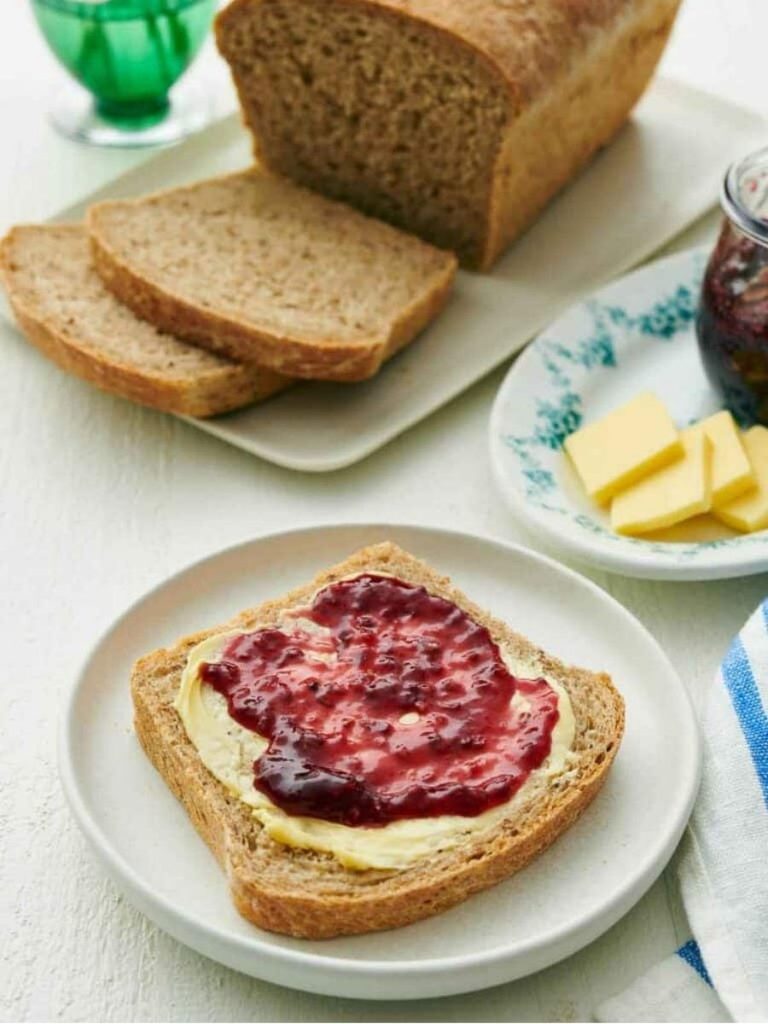
This homemade rye bread brings together the hearty character of rye flour, the light structure of bread flour, and the warm, distinctive aroma of caraway seeds.
The combination creates a loaf that feels rustic yet pleasantly tender, making it an excellent choice for everyday baking.
Honey adds a subtle sweetness to the dough while also complementing the earthy flavor of the rye, and a small amount of vegetable oil helps give the finished bread a soft texture.
The dough is straightforward to prepare using a stand mixer, beginning with warm water, honey, and active dry yeast.
Once the yeast becomes foamy, the flours, oil, caraway seeds, and salt are incorporated to form a slightly sticky dough.
Rye flour naturally produces a dough with less gluten development than a loaf made entirely from wheat flour, so the texture will feel different from classic white bread.
Rather than adding extra flour, moist hands make the dough much easier to handle during shaping.
After the first rise, the dough is shaped into a neat log and placed into a 9×5-inch loaf pan for its second rise.
Baking at 350°F produces a golden-brown exterior while keeping the interior pleasantly soft and substantial.
The caraway seeds provide little bursts of savory, aromatic flavor throughout each slice.
Once baked, the bread needs time to cool completely so the crumb can properly set.
Slice it for sandwiches, toast it for breakfast, or enjoy it simply as a hearty homemade loaf.
Its balanced flavor and satisfying texture make it a versatile addition to the everyday bread basket.
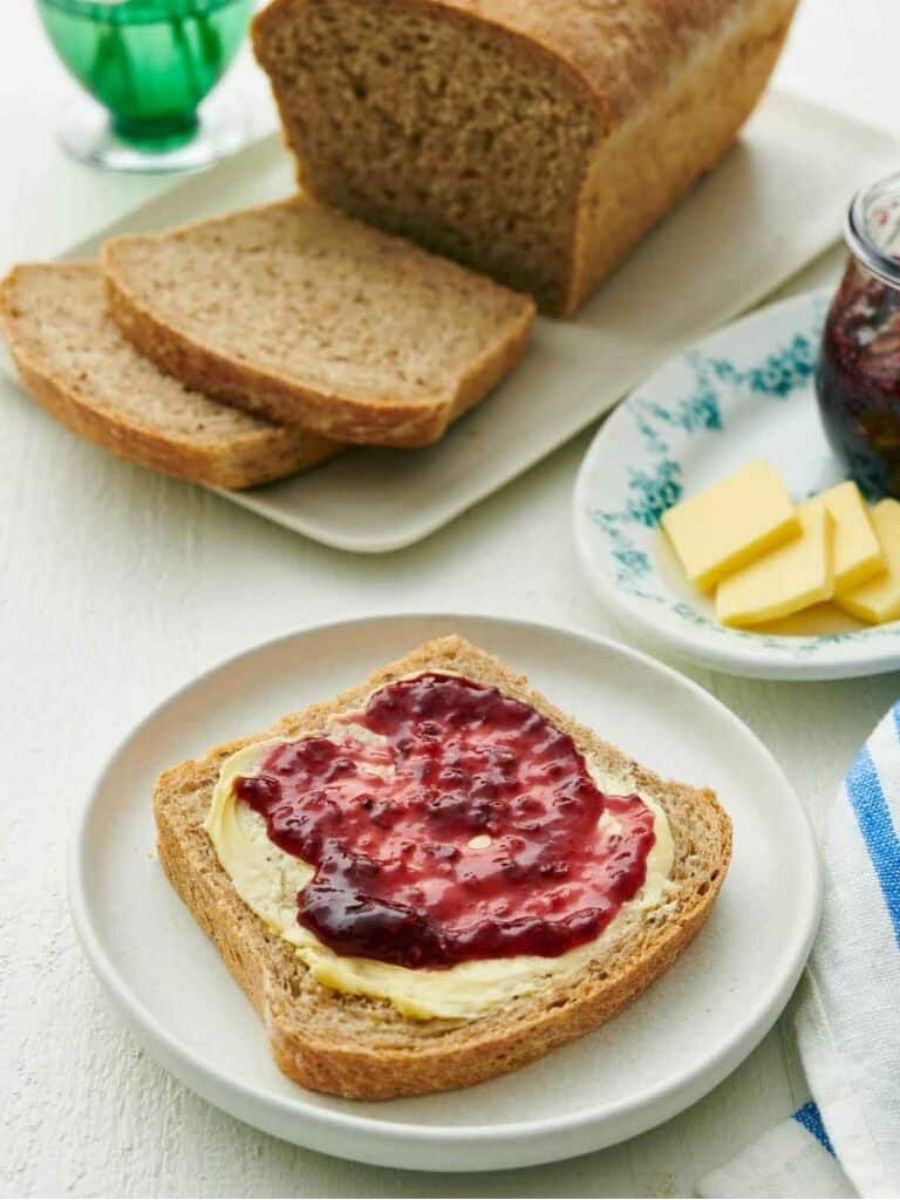

Classic Homemade Rye Bread
Ingredients
Equipment
Method
- Activate the Yeast: In the bowl of a stand mixer fitted with the dough hook, whisk together the warm water, honey, and active dry yeast until combined. Let the mixture stand for 5 minutes, until it becomes very foamy.
- Form the Dough: Add the bread flour, rye flour, vegetable oil, caraway seeds, and salt to the yeast mixture. Stir with a wooden spoon or rubber spatula until all of the dry flour from the bottom and sides of the bowl has been incorporated and a shaggy dough forms.
- Mix the Dough: Using the stand mixer, mix the dough on medium-low speed for 6 to 8 minutes. Continue until most of the dough gathers around the dough hook and the dough becomes smooth while remaining slightly sticky.
- Prepare for the First Rise: Transfer the dough to a clean, lightly oiled bowl. Turn the dough over once so its surface is lightly coated with oil.Scrape down the sides of the bowl and shape the dough into a ball.
- Let the Dough Rise: Cover the bowl with plastic wrap and place it in a warm, draft-free spot at about 75°F. Let the dough rise for 30 to 45 minutes, or until it has doubled in size.
- Prepare the Loaf Pan: While the dough rises, grease a 9×5-inch loaf pan with oil or baking spray. Set the prepared pan aside.
- Shape the Loaf: Turn the risen dough onto a very lightly floured surface. Using moist hands, stretch and shape the dough into a 9-inch square.
- Roll the Dough: Use a bench scraper to help loosen and coax the dough from the work surface as you roll it into a log. Pinch the seams along the sides firmly closed, then gently tuck the seams underneath the loaf.
- Arrange in the Pan: Place the shaped dough into the prepared loaf pan with the seam side facing down.
- Cover for the Second Rise: Lightly oil a piece of plastic wrap or coat it with nonstick spray. Cover the loaf pan and return it to a warm, draft-free spot at about 75°F.
- Complete the Second Rise: Let the dough rise for 35 to 45 minutes, or until it has risen about ½ to 1 inch above the rim of the loaf pan.
- Preheat the Oven: After the dough has been rising for 15 minutes, preheat the oven to 350°F.
- Bake the Bread: Bake the loaf for 35 to 40 minutes, until the top is golden brown and the bread sounds hollow when tapped.
- Cool the Loaf: Let the bread cool in the pan for a couple of minutes, then turn it out onto a wire rack.Allow it to cool completely before slicing so the crumb can properly set.
Notes
- Substitute molasses for honey if you prefer a deeper color and brown-sugar-like flavor notes.
- Bread flour is preferred because its higher gluten content helps support the rye flour, which naturally develops less gluten than wheat flour.
- The dough is supposed to be slightly sticky. Avoid adding excessive flour, and use moistened hands when shaping it.
- For a rustic free-form loaf, shape the dough without a loaf pan and let it complete the second rise on lightly floured parchment while a baking stone or steel preheats.
- If baking a rustic loaf, bake for 35 to 40 minutes, or until the internal temperature reaches 195°F to 200°F.
- Let the baked loaf cool completely before slicing so the crumb has time to set properly.
Chef’s Secret
The most important technique for this rye bread is learning to work with its naturally sticky dough rather than trying to make it feel like a traditional wheat bread dough.
Rye flour contains less gluten, so adding extra flour during shaping can make the finished loaf unnecessarily dense.
Instead, keep your hands moist when stretching and shaping the dough, and use a bench scraper to help move it from the work surface.
When forming the log, seal the side seams firmly and tuck them underneath before placing the dough in the pan.
This keeps the loaf neatly shaped as it rises. Most importantly, resist slicing the bread while it is still warm.
Allowing it to cool completely gives the crumb time to set, resulting in cleaner, more satisfying slices.
Serving Suggestions
Slice the cooled rye bread for hearty sandwiches or toast it and serve with your favorite breakfast toppings.
It pairs especially well with savory spreads, sandwich fillings, or simple toppings that complement the earthy caraway flavor.
For a straightforward serving, enjoy warm slices with butter, or use the bread as a sturdy base for layered sandwiches.
Toasted slices can also accompany soups, salads, or other savory meals where a substantial homemade bread is welcome.
Conclusion
This homemade rye bread delivers a hearty texture, earthy rye flavor, and aromatic caraway notes in a classic loaf-pan shape.
With careful handling of the slightly sticky dough and complete cooling before slicing, it makes a versatile everyday bread for toast, sandwiches, or simple serving.
