
CookLibrary is a recipe curation and editorial platform. We research and curate recipes from public sources, considering ratings, reviews, comments, and feedback. We then refine and present them clearly for home cooks. We are committed to an ad-free, focused experience that makes discovering and preparing recipes easier.
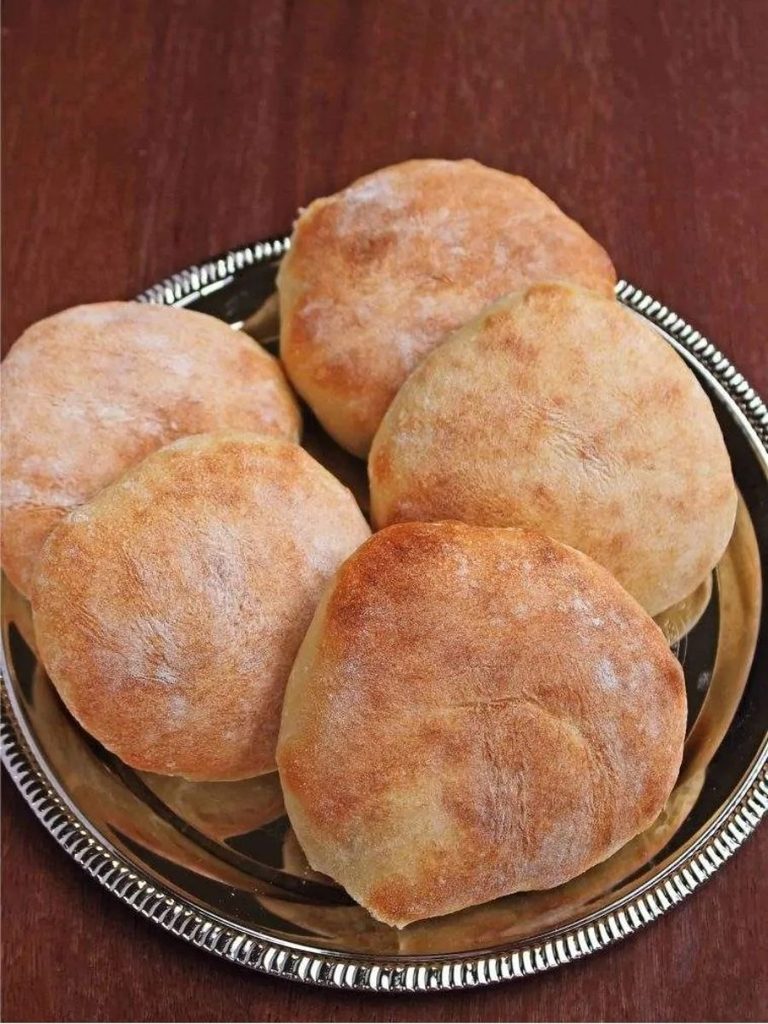
Lepinja Bread, also known as Somun, is a rustic Croatian flatbread with a beautifully golden, crusty exterior and a soft, airy crumb.
Made with simple pantry staples including bread flour, active dry yeast, sugar, milk, warm water, and salt, this bread develops a wonderfully tender texture through several stages of rising.
The dough is intentionally very soft and sticky, helping create the light, open interior that makes Lepinja especially enjoyable alongside flavorful foods.
Baked at a high temperature with steam from a tray of water, the flatbreads quickly puff and develop an appealing golden crust.
Serve these warm as a versatile accompaniment to meals, or use them for soaking up sauces, juices, and other savory flavors.
With its rustic appearance and satisfying texture, this Balkan-inspired bread is a delicious addition to any table.
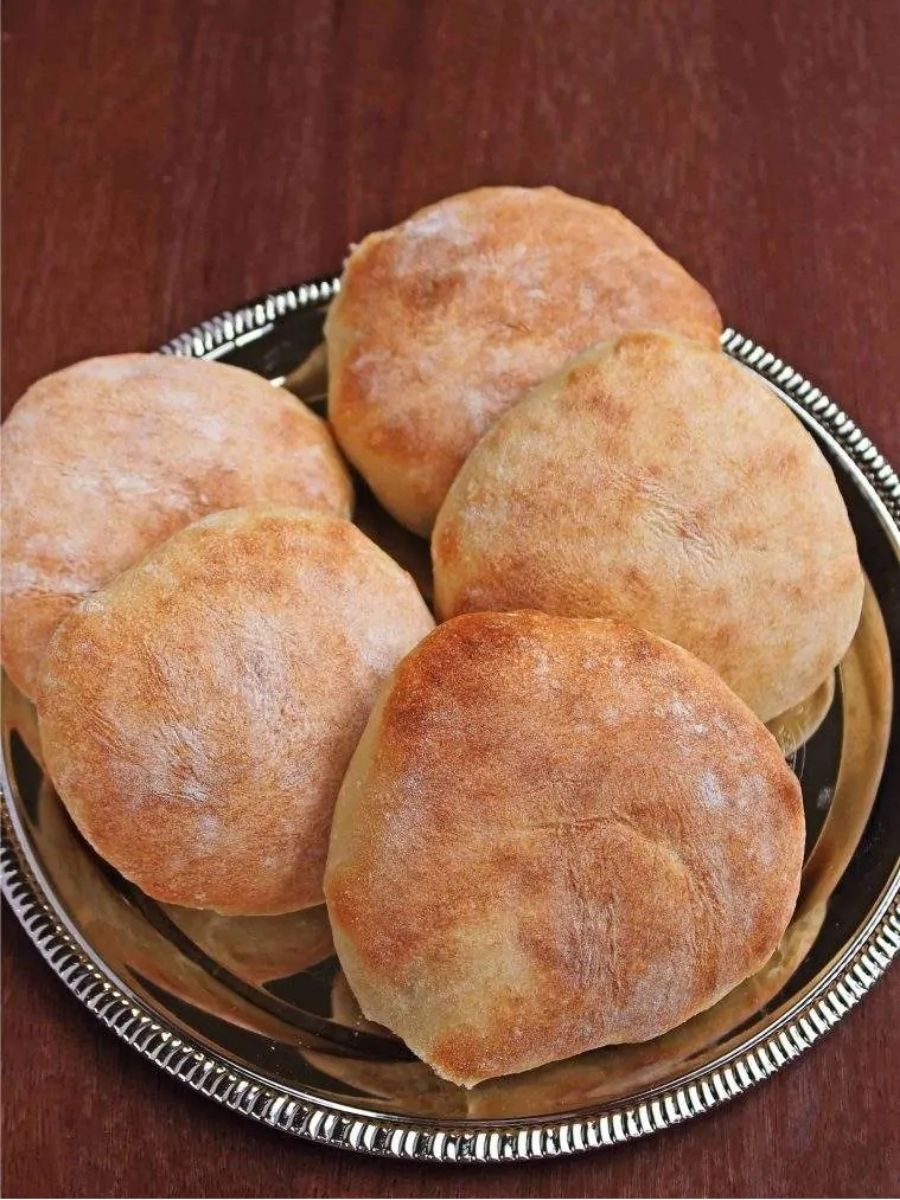

Classic Croatian Lepinja Bread
Ingredients
Equipment
Method
- Activate the Yeast: Combine the warm milk, sugar, and active dry yeast in a small bowl, mixing until well incorporated.
- Proof the Yeast: Leave the mixture undisturbed for about 10 minutes, until it becomes frothy and bubbly.
- Combine the Dough Ingredients: Transfer the yeast mixture to a large mixing bowl or the bowl of a stand mixer, then add ½ cup of the warm water and the salt.
- Add the Flour: Add the bread flour to the bowl and begin kneading.
- Adjust the Dough: Gradually add more warm water as needed to create a very soft, sticky dough; the amount of water may vary.
- Knead the Dough: Knead for 6–8 minutes until the dough is thoroughly worked.
- First Rise: Cover or otherwise allow the dough to rise for about 1 hour, or until it has doubled in volume.
- Deflate the Dough: Once doubled, gently punch the dough down to release some of the accumulated air.
- Knead Again: Knead the dough with the stand mixer or by hand for a couple more minutes.
- Second Rise: Let the dough rise again until doubled in volume; the source notes that this second rise took about 45 minutes.
- Prepare the Work Surface: Generously flour a work surface and transfer the risen dough onto it.
- Divide the Dough: With well-floured hands, divide the dough into 6 equal portions.
- Prepare the Baking Sheet: Line a baking sheet with parchment paper.
- Shape the Portions: Form each portion into a ball and place the dough balls on the prepared baking sheet.
- Flatten the Dough: Press each dough ball down to flatten it.
- Final Rise: Let the shaped dough rise for 20–30 minutes, or until it looks slightly puffy.
- Preheat the Oven: Heat the oven to 550°F, placing a tray filled with water on the bottom-most shelf while the oven preheats.
- Bake the Lepinja: After the third rise, place the baking sheet in the oven and bake for 6–7 minutes, or until the flatbreads are golden brown.
- Cool the Bread: Remove the Lepinja from the oven and transfer the breads to a cooling rack, allowing them to cool completely.
Notes
- The dough should be very soft and sticky; avoid adding unnecessary flour while kneading.
- The recipe uses three rising stages: the first rise after kneading, the second rise after gently punching down and kneading again, and the final rise after shaping.
- The source notes that the second rise took about 45 minutes, although rising time can vary.
- Use well-floured hands and work surface when dividing and shaping the sticky dough.
- The oven should reach 550°F before baking, with a tray of water placed on the bottom-most shelf during preheating.
- Watch the bread closely during the short baking period. It is ready when the Lepinja is golden brown.
- Allow the baked flatbreads to cool on a cooling rack so they can cool completely.
Chef’s Secret
The key to a light, airy Lepinja is resisting the temptation to make the dough firm.
The source specifically calls for a very soft, sticky dough, so use the additional warm water as needed rather than compensating with extra flour.
When shaping, rely on well-floured hands and a generously floured surface to handle the dough without toughening it.
Serving Suggestions
Serve Lepinja warm or at room temperature alongside flavorful savory dishes where its soft crumb can absorb sauces and juices.
It works especially well as a rustic table bread for soaking up rich gravies, broths, or other flavorful preparations.
You can also split or tear the flatbread into portions and serve it as a simple accompaniment to a hearty meal.
Its crisp exterior and tender interior make it versatile enough for everyday meals as well as casual street-food-style serving.
Conclusion
Lepinja Bread is a simple yet satisfying Croatian flatbread that delivers a golden crust and wonderfully soft crumb from a straightforward yeast dough.
The multiple rises and high-temperature bake create its characteristic texture, while the simple ingredients keep the bread versatile.
Freshly baked Lepinja is especially enjoyable alongside flavorful dishes, making this rustic Somun a useful and delicious bread to have on the table.
