
CookLibrary is a recipe curation and editorial platform. We research and curate recipes from public sources, considering ratings, reviews, comments, and feedback. We then refine and present them clearly for home cooks. We are committed to an ad-free, focused experience that makes discovering and preparing recipes easier.
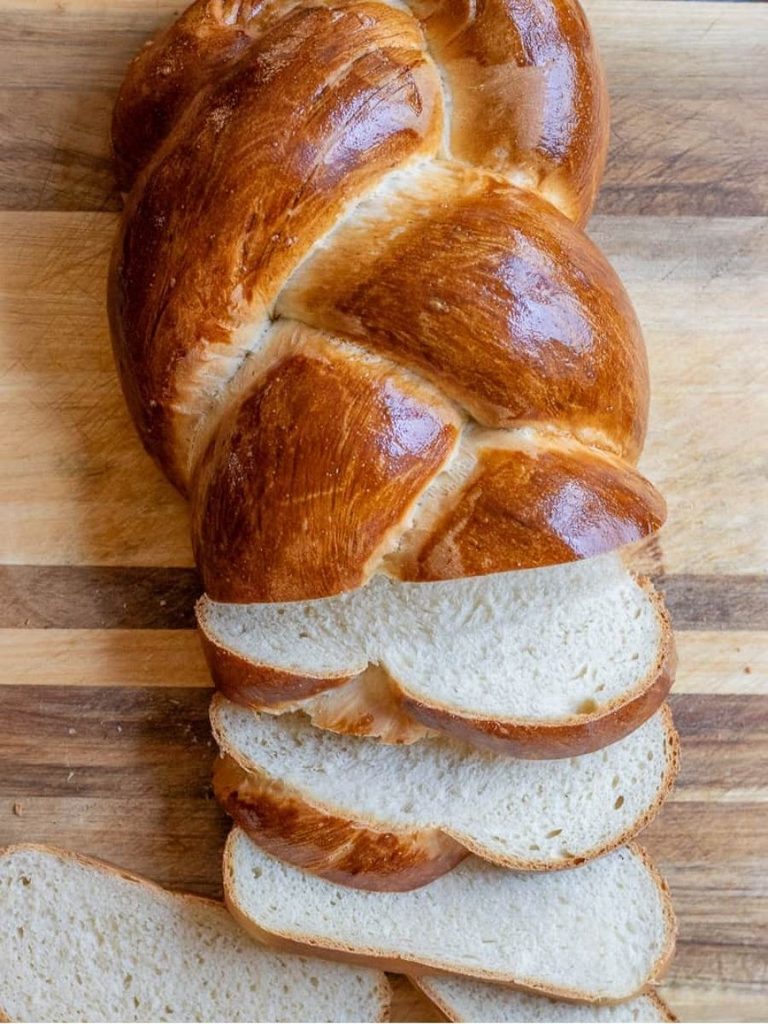
Swiss Butterzopf is a beautifully braided bread known for its soft texture, rich buttery flavor, and attractive golden finish.
Made with simple everyday ingredients, including flour, milk, butter, yeast, salt, and a small amount of sugar, this classic Swiss loaf transforms a straightforward dough into something especially inviting.
The milk and butter give the bread a tender, delicate crumb, while the yeast creates a light and pleasantly soft interior.
Its flavor is mild and gently rich rather than overly sweet, making it wonderfully versatile for both sweet and savory serving ideas.
The golden egg-yolk coating adds an appealing shine and helps create the loaf’s signature beautifully browned crust.
One of the most charming features of Butterzopf is its braided shape.
Three long ropes of dough are gently woven together to create an impressive loaf that looks special on a breakfast or brunch table while still being approachable to make at home.
The loose braid allows the dough room to expand as it rises and bakes, helping maintain its attractive shape.
Serve this Swiss braided bread sliced on its own or pair it with your favorite sweet or savory toppings.
Whether enjoyed as part of breakfast, brunch, or alongside a meal, its combination of a soft, buttery interior and lightly golden exterior makes every slice appealing.
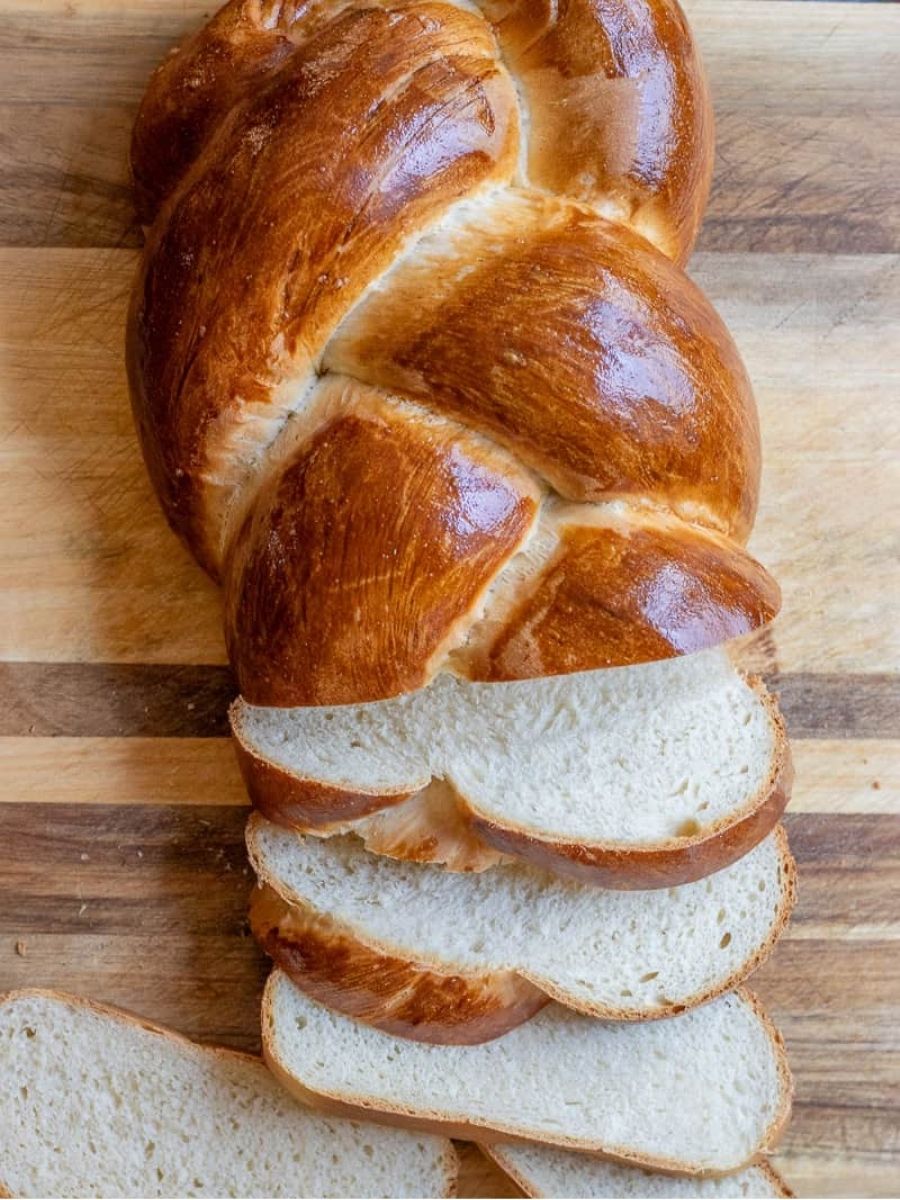

Soft and Buttery Swiss Braided Loaf
Ingredients
Equipment
Method
- Prepare the Butter and Milk: Melt the butter in a small saucepan over low heat. Remove the pan from the heat and add the cold milk.Allow the mixture to become lukewarm before using it.
- Prepare the Yeast if Needed: If using fast-action dried yeast, add it directly to the flour.If using active dry yeast instead, stir it into the lukewarm milk mixture along with the sugar and let it stand for 5 to 10 minutes, until it becomes foamy.
- Combine the Dry Ingredients: Add the flour and salt to the bowl of a stand mixer fitted with the dough hook. Mix briefly to combine. Add the fast-action dried yeast at this stage if using it.
- Mix the Dough: Pour the lukewarm milk and butter mixture into the flour mixture. Begin mixing on low speed until the ingredients start coming together.
- Knead the Dough: Increase the mixer speed to medium and knead for 8 to 10 minutes. The finished dough should be smooth and slightly tacky but not sticky.
- Let the Dough Rise: Remove the dough from the mixer bowl and shape it into a ball. Lightly grease the bowl, return the dough to it, and cover with a clean kitchen towel or plastic wrap. Leave in a warm place for about 1 to 1½ hours, or until doubled in size.
- Deflate and Divide the Dough: Gently punch down the risen dough. Transfer it to a lightly floured work surface and divide it into three equal pieces.
- Shape the Dough Ropes: Roll each piece into a long rope measuring approximately 24 to 28 inches (60 to 70 cm). Try to keep the ropes similar in length and thickness for an even braid.
- Braid the Loaf: Pinch the three ropes together at one end and braid them loosely. Tuck the ends underneath the loaf to create a neat shape.
- Second Rise: Place the braided loaf on a baking sheet lined with parchment paper.Cover lightly with a cloth and leave it to rest for 30 to 45 minutes, until slightly puffed.
- Preheat the Oven: Preheat the oven to 356°F (180°C) while the shaped loaf finishes its second rise.
- Apply the Egg Yolk: Beat the egg yolk and gently brush it over the surface of the braided dough.
- Bake the Bread: Bake for 30 to 35 minutes, until the loaf is golden brown and sounds hollow when tapped on the bottom. If the top begins browning too quickly, loosely tent it with aluminum foil during the final 10 minutes of baking.
- Cool Before Slicing: Transfer the baked bread to a wire rack and allow it to cool completely before slicing so the crumb can set properly.
Notes
- Use lukewarm milk rather than hot milk, as excessive heat can damage the yeast and prevent the dough from rising properly.
- Fast-action dried yeast can be mixed directly into the flour, while active dry yeast should first be combined with the lukewarm milk mixture and sugar until foamy.
- After kneading, the dough should feel soft and slightly tacky rather than sticky. If it is excessively sticky, add flour gradually, one tablespoon at a time.
- Allow the dough to complete its first rise and double in size before shaping the loaf.
- Divide the dough evenly and roll the ropes to a similar length and thickness for a more balanced, attractive braid.
- Keep the braid loose so the dough has room to expand during the second rise and baking.
- Watch the loaf toward the end of baking and loosely cover it with aluminum foil if the top is browning too quickly.
- Cool the bread completely before slicing to allow the interior crumb to set properly and avoid a gummy texture.
Chef’s Secret
For the best-looking Butterzopf, focus on making the three dough ropes as even as possible before braiding. Similar thickness and length help the loaf rise uniformly and create a balanced golden braid.
Keep the braid gently loose rather than pulling the dough tightly together, as the dough will expand during its final rise and in the oven.
Serving Suggestions
Serve Swiss Butterzopf sliced for breakfast or brunch with butter and your favorite sweet toppings, such as jam or other spreads.
Its mild, buttery flavor also works beautifully with savory toppings, making it a versatile addition to the table.
Arrange the freshly sliced loaf alongside eggs, cheese, or other breakfast and brunch favorites, or serve it as a soft bread accompaniment to a meal.
Conclusion
Swiss Butterzopf is a beautifully simple yeast bread that combines a soft, tender crumb with the rich flavor of milk and butter.
Its elegant braided shape and golden finish make it especially appealing for breakfast, brunch, or sharing at the table.
Although the loaf looks impressive, the process follows a straightforward sequence of mixing, rising, shaping, braiding, and baking.
Giving the dough enough time to rise and keeping the braid loose are important for achieving the best texture and appearance.
Once cooled and sliced, this classic Swiss bread offers a deliciously soft and versatile result that can be enjoyed with both sweet and savory accompaniments.
