
CookLibrary is a recipe curation and editorial platform. We research and curate recipes from public sources, considering ratings, reviews, comments, and feedback. We then refine and present them clearly for home cooks. We are committed to an ad-free, focused experience that makes discovering and preparing recipes easier.
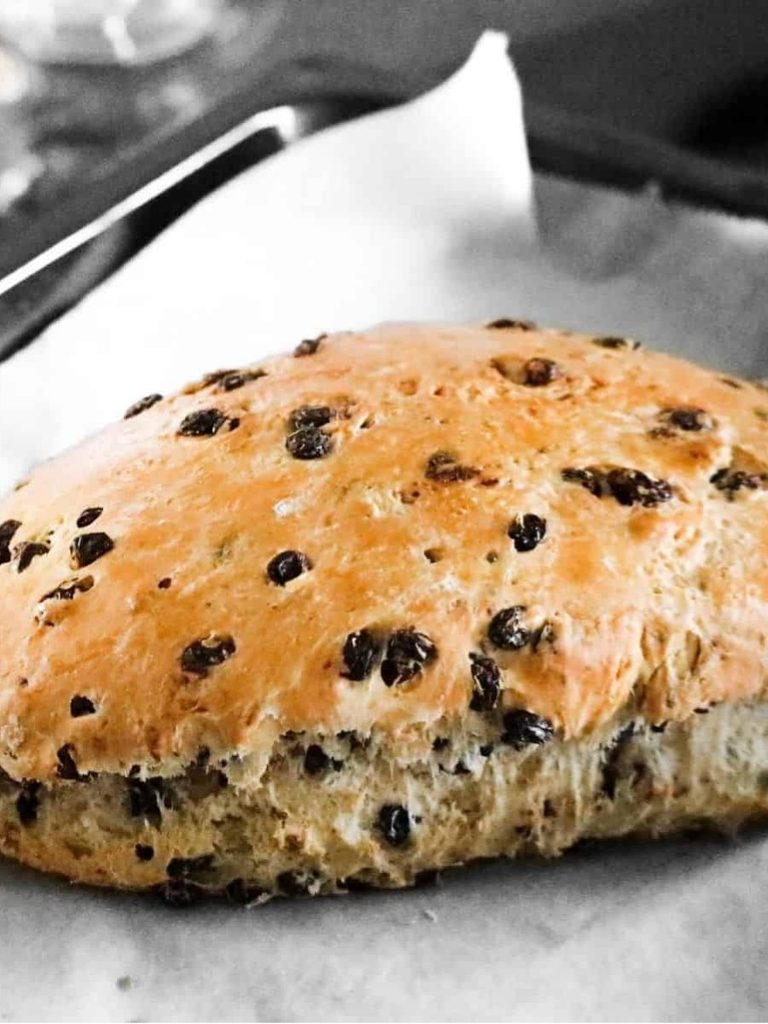
This 18th-century Dutch Easter bread is a wonderfully simple, fragrant loaf made with everyday baking ingredients.
The dough combines flour, raisins, eggs, butter, lukewarm milk, sugar, cinnamon, nutmeg, salt, and instant yeast for a lightly sweet and warmly spiced flavor.
As the dough rises, it develops a soft, supple texture that bakes into a golden loaf with a tender interior and plump raisins scattered throughout.
Cinnamon and nutmeg provide gentle spice without overpowering the natural sweetness of the raisins.
The recipe follows a straightforward traditional method, including kneading, two rises, and a final bake until beautifully golden.
A light brushing of melted butter after baking can give the crust a softer finish.
With its comforting aroma and rustic character, this Easter bread makes a lovely addition to a holiday table or a simple breakfast spread.
A lightly sweet, yeast-raised Dutch Easter bread filled with raisins and flavored with cinnamon and nutmeg.
The soft, tender crumb and golden crust make it a comforting traditional bake for Easter.
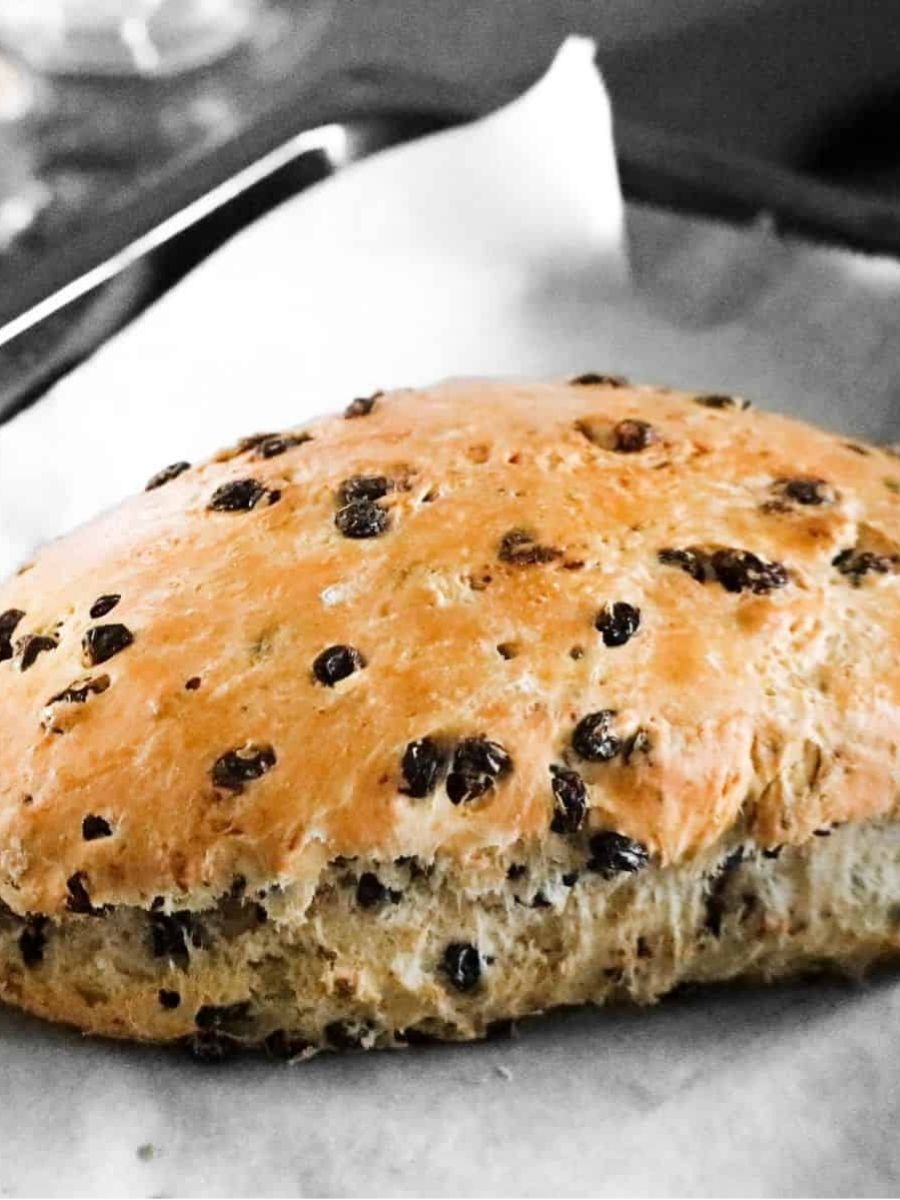

Old-Fashioned Dutch Easter Raisin Bread
Ingredients
Equipment
Method
- Activate the Yeast: Dissolve the sugar and instant yeast in the lukewarm milk until combined.
- Combine the Dry Ingredients: In a large bowl, mix the flour, raisins, cinnamon, nutmeg, and salt evenly.
- Make the Dough: Add the milk and yeast mixture, eggs, and melted butter to the flour mixture, then combine everything into a dough.
- Knead the Dough: Transfer the dough to a well-floured surface and knead for about 10 minutes, until it becomes soft and supple.
- First Rise: Cover the dough with a clean towel and let it rise for about 1 hour, or until it has doubled in size.
- Shape the Bread: Shape the risen dough as desired, then allow it to rise for a second time for about 30 minutes.
- Preheat the Oven: Heat the oven to 180°C (350°F).
- Bake the Bread: Place the shaped bread in the center of the preheated oven and bake for about 30 minutes, or until the bread is golden.
- Soften the Crust: For a softer crust, brush a little melted butter over the bread immediately after it comes out of the oven.
Notes
- Use lukewarm milk when dissolving the sugar and instant yeast.
- Knead the dough for the full 10 minutes to develop a soft, supple texture.
- The first rise is complete when the dough has doubled in size.
- Allow the shaped bread to rise for a second time for about 30 minutes before baking.
- Bake at 180°C (350°F) until the bread develops a golden exterior.
- For a softer crust, brush a little melted butter over the bread immediately after removing it from the oven.
Chef’s Secret
For the best texture, pay close attention to the dough during the first rise rather than relying only on the clock.
Let it rise until it has actually doubled in size, as specified in the original method.
This gives the yeast time to develop the dough properly before the bread is shaped and given its second rise.
Serving Suggestions
Serve this Dutch Easter bread slightly warm or at room temperature as part of an Easter breakfast or brunch.
The raisin-studded, gently spiced bread can be enjoyed on its own, while a little melted butter makes a simple accompaniment.
For a more substantial spread, serve slices alongside other breakfast or brunch dishes.
Conclusion
This 18th-century Dutch Easter bread offers a lovely combination of soft, supple bread, sweet raisins, and warm cinnamon and nutmeg.
Its straightforward preparation and two-stage rising process create a golden, comforting loaf with traditional character.
A final brushing of melted butter can soften the crust and add a pleasant finish.
Whether served for Easter breakfast, brunch, or alongside a simple spread, this historic-style bread is an inviting bake that brings old-fashioned warmth to the table.
