
CookLibrary is a recipe curation and editorial platform. We research and curate recipes from public sources, considering ratings, reviews, comments, and feedback. We then refine and present them clearly for home cooks. We are committed to an ad-free, focused experience that makes discovering and preparing recipes easier.
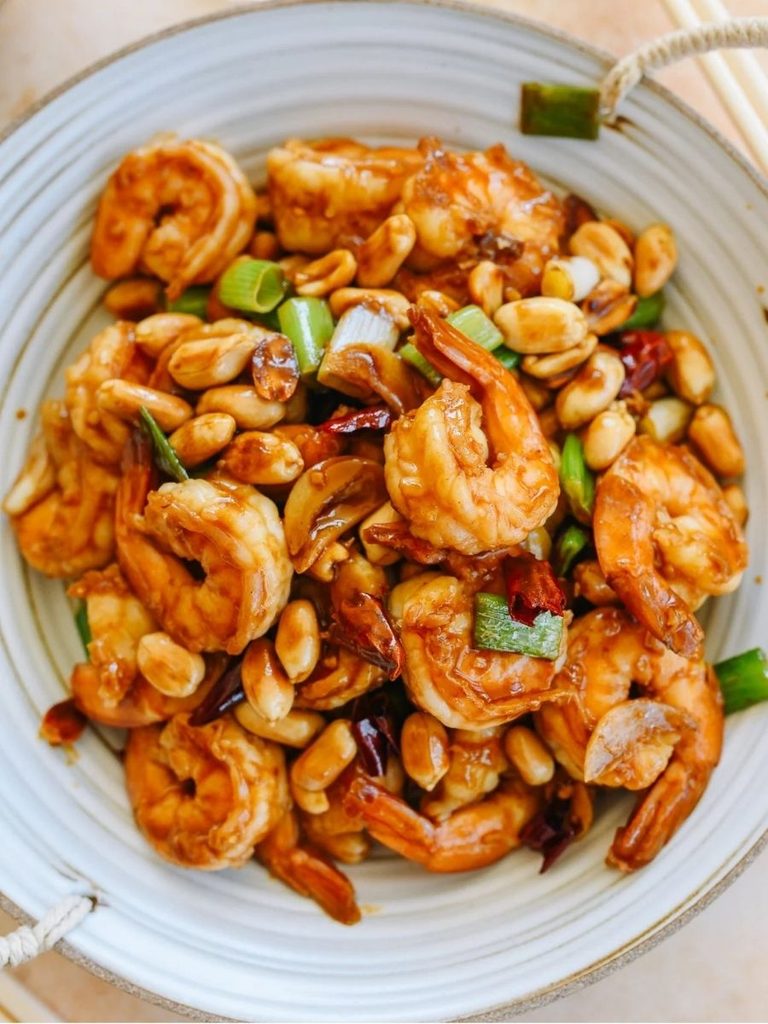
Kung Pao Shrimp is a bold, flavorful dish that brings together tender shrimp, crunchy roasted peanuts, aromatic garlic, fresh ginger, and dried red chilies in a savory, slightly tangy sauce.
Inspired by classic Sichuan-style cooking, this recipe balances salty, sweet, spicy, and tangy flavors while delivering a satisfying contrast between juicy seafood and crisp peanuts.
The shrimp are lightly seasoned with Shaoxing wine, salt, white pepper, and cornstarch before being quickly seared in a hot wok.
This preparation helps the shrimp cook rapidly while developing a delicate texture.
Garlic, ginger, scallions, and dried chilies are then cooked briefly to release their fragrance, creating an aromatic foundation for the dish.
The sauce combines light and dark soy sauce, rice wine vinegar, sugar, water, cornstarch, and Sichuan peppercorn powder for a rich, glossy coating with a distinctive peppery kick.
Roasted peanuts add an essential crunchy element, complementing the tender shrimp and thickened sauce.
You can adjust the number of dried chilies to suit your preferred spice level, making the dish adaptable for different tastes.
Although the flavors are complex, the cooking process is quick once the ingredients are prepared, making this recipe suitable for a busy weeknight or a homemade takeout-style dinner.
Serve Kung Pao Shrimp hot over steamed rice to soak up the flavorful sauce. It also pairs well with stir-fried vegetables or simple noodles for a more substantial meal.
With its vibrant aromatics, savory sauce, and satisfying texture, this shrimp dish brings restaurant-inspired flavor to your home kitchen.
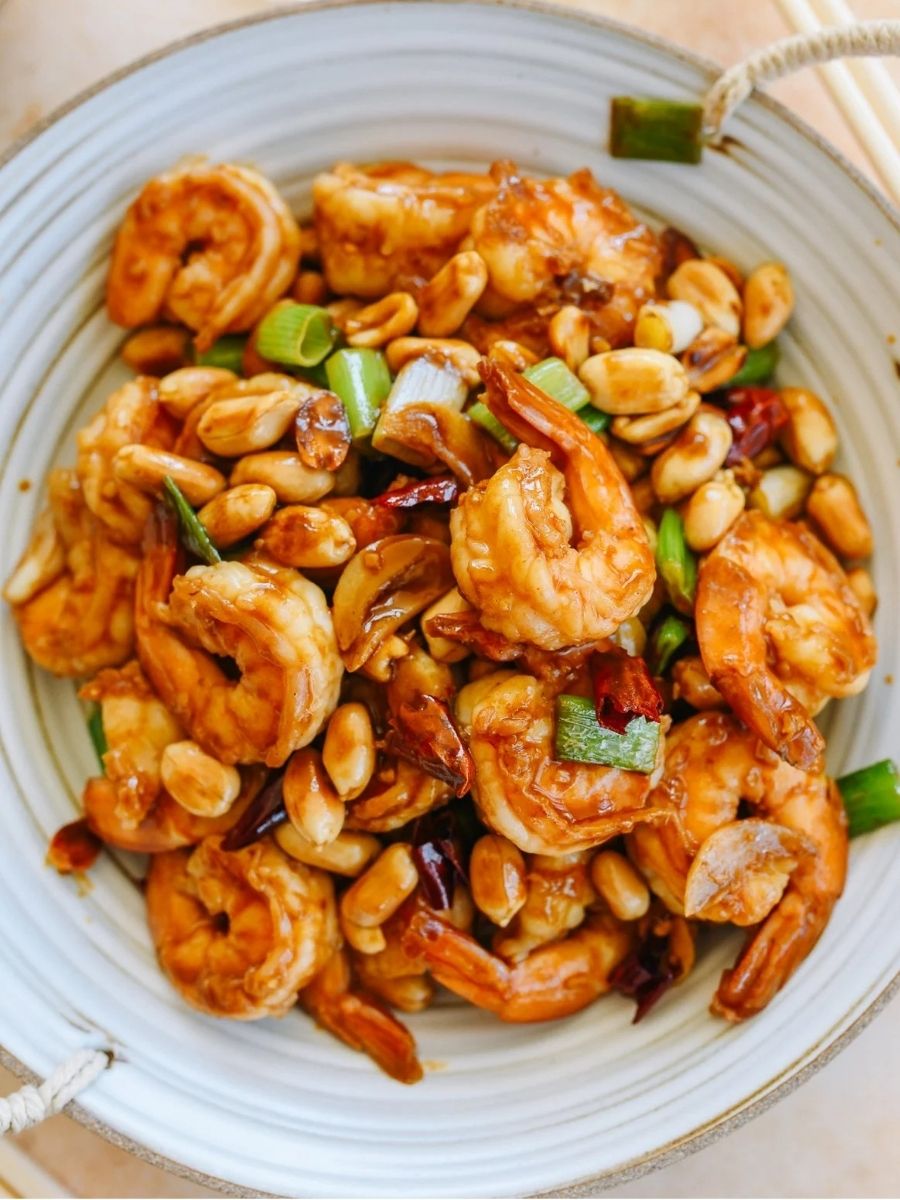

Easy Sichuan Kung Pao Shrimp
Ingredients
Equipment
Method
- Roast the Peanuts: Heat 1 teaspoon of neutral oil in a wok over medium heat. Add the raw peanuts and stir constantly for 4–5 minutes to prevent burning. Turn off the heat and continue stirring for another minute using the wok’s residual heat. Transfer the peanuts aside to cool completely; they will become crunchy as they cool.If using roasted, shelled, unsalted peanuts, skip this step.
- Prepare the Shrimp: Butterfly each shrimp by making a shallow cut along its back without slicing all the way through.Place the shrimp in a bowl and add 1 teaspoon neutral oil, Shaoxing wine, salt, and white pepper powder. Mix to coat, then leave to marinate for 15 minutes.
- Mix the Sauce: In a medium bowl, combine the water, rice wine vinegar, light soy sauce, sugar, 1 teaspoon cornstarch, Sichuan peppercorn powder, and dark soy sauce. Stir until combined, then set aside.
- Coat the Shrimp with Cornstarch: Immediately before cooking, add ½ teaspoon cornstarch to the marinated shrimp and mix thoroughly so the shrimp are evenly coated.
- Sear the Shrimp: Heat the wok over high heat until it just begins to smoke. Add 2 tablespoons of neutral oil, followed by the shrimp. Quickly sear the shrimp on both sides until they turn light pink, then transfer them to a bowl. Avoid cooking them for longer than necessary at this stage, as they will return to the wok later.
- Cook the Aromatics: Reduce the heat to low and add the remaining 1 tablespoon of neutral oil. Add the sliced garlic, minced ginger, chopped dried chilies, and scallion whites. Stir-fry for 1–2 minutes, keeping the heat low, until the aromatics become fragrant.
- Return the Shrimp to the Wok: Increase the heat to high and return the seared shrimp to the wok. Stir-fry for 30 seconds to combine them with the aromatics.
- Add the Sauce: Stir the prepared sauce again immediately before using, as the cornstarch settles at the bottom of the bowl. Pour the sauce into the wok and stir-fry for another minute, allowing it to thicken quickly and coat the shrimp.
- Finish with Peanuts: Add the roasted peanuts and mix everything together until the shrimp, aromatics, sauce, and peanuts are evenly distributed. Turn off the heat.
- Serve Immediately: Transfer the Kung Pao Shrimp to a serving dish and serve hot while the shrimp are tender and the peanuts retain their crunch.
Notes
-
Choose large shrimp: Use 1 pound of large shrimp, peeled and deveined, for the best balance of tender seafood and flavorful sauce.
-
Butterfly carefully: Make a shallow cut along the back of each shrimp without cutting all the way through. This follows the source method and helps the shrimp open slightly as they cook.
-
Marinate for 15 minutes: Season the shrimp with neutral oil, Shaoxing wine, salt, and white pepper, then let them rest for the specified time before cooking.
-
Roast the peanuts carefully: Stir the peanuts constantly over medium heat for 4–5 minutes to prevent burning. Continue stirring for another minute after turning off the heat, then let them cool completely so they become crunchy.
-
Adjust the heat level: Use 2 dried red chilies for a milder result or up to 4 for a spicier dish. Remove the seeds before chopping, as directed in the source.
-
Prepare everything before stir-frying: Measure the sauce ingredients and prepare the garlic, ginger, chilies, and scallions before heating the wok. The final cooking stages move quickly.
-
Add cornstarch at the right time: Mix the ½ teaspoon of cornstarch into the marinated shrimp immediately before searing.
-
Stir the sauce before pouring: Cornstarch settles at the bottom of the bowl, so mix the sauce again just before adding it to the wok.
-
Avoid overcooking the shrimp: Sear them until light pink, remove them temporarily, and return them to the wok for the final cooking stages.
-
Serve promptly: Add the peanuts at the end and serve the dish hot to preserve their crunchy texture.
Chef’s Secret
The key to excellent Kung Pao Shrimp is controlling the timing of the shrimp, sauce, and peanuts.
Prepare all the ingredients before heating the wok because the final stir-frying process takes only a few minutes.
Sear the shrimp quickly until they turn light pink, then transfer them to a bowl rather than leaving them in the wok while the aromatics cook.
This prevents unnecessary cooking before they return for the final 30 seconds and sauce stage.
Just before pouring the sauce into the wok, stir it thoroughly to redistribute the cornstarch that settles at the bottom.
Once the sauce thickens, add the roasted peanuts last.
This sequence helps keep the shrimp tender, the sauce glossy, and the peanuts pleasantly crunchy.
Serving Suggestions
Serve Kung Pao Shrimp immediately over steamed jasmine rice or brown rice, allowing the savory, tangy sauce to season the grains.
It also pairs well with simple stir-fried vegetables, such as bok choy, broccoli, bell peppers, or snap peas, which complement the shrimp without competing with the bold sauce.
For another satisfying option, serve it alongside plain noodles or vegetable fried rice.
If you enjoy a more substantial Chinese-inspired meal, combine it with steamed greens and a light cucumber salad to balance the richness and chili heat.
Keep the roasted peanuts in the finished dish for their signature crunch, and reserve any additional chopped scallions for an optional garnish.
If serving a group, place the shrimp on a warm platter and offer steamed rice separately so everyone can choose their preferred portion.
Conclusion
This Kung Pao Shrimp brings together tender seafood, fragrant garlic and ginger, dried chilies, and crunchy peanuts in a savory, tangy sauce.
Quick wok cooking makes it a practical option for a homemade restaurant-style meal, while the adjustable chili quantity lets you tailor the heat to your preference.
Serve it hot over rice or alongside vegetables for a satisfying dinner.
By preparing the ingredients in advance and adding the peanuts at the end, you can enjoy the dish’s signature combination of bold flavor and contrasting textures.
