
CookLibrary is a recipe curation and editorial platform. We research and curate recipes from public sources, considering ratings, reviews, comments, and feedback. We then refine and present them clearly for home cooks. We are committed to an ad-free, focused experience that makes discovering and preparing recipes easier.
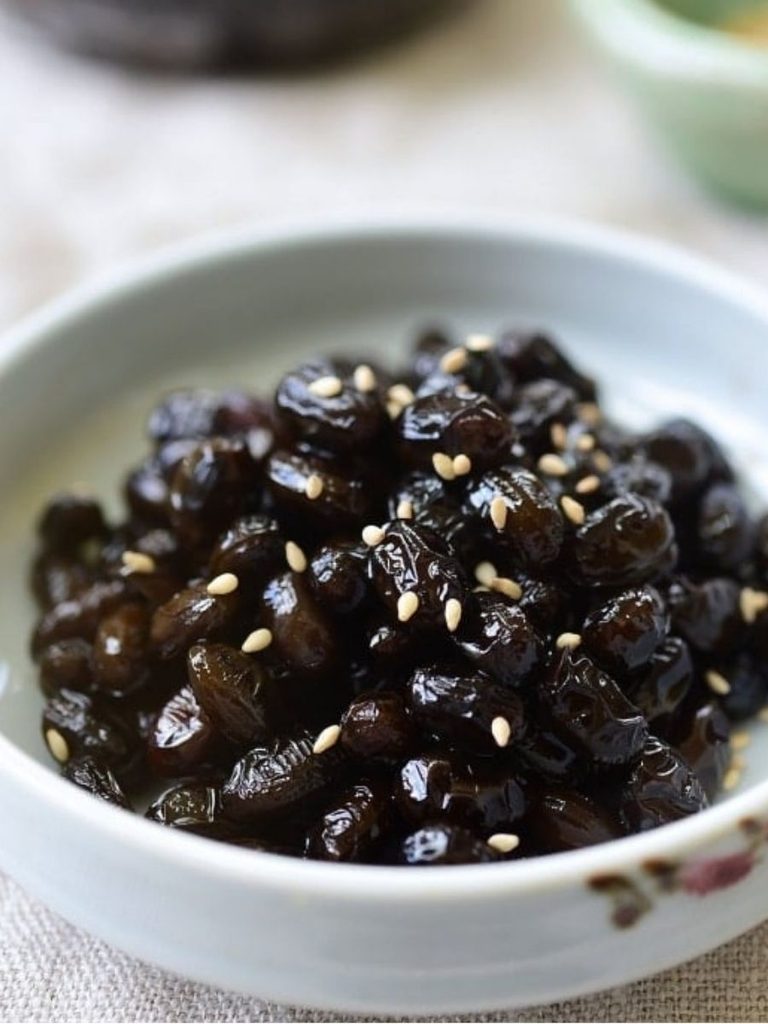
Kongjang is a traditional Korean side dish made by gently simmering soybeans in a savory, sweet, soy-based sauce until the beans become richly flavored and beautifully glazed.
Known as a popular Korean banchan, this simple dish brings together everyday ingredients to create a delicious accompaniment for rice, vegetables, soups, and other Korean meals.
Its combination of salty, sweet, and nutty flavors makes it a satisfying addition to both traditional and everyday menus.
This recipe uses dried black soybeans, also known as seoritae, although yellow soybeans can be used as an alternative.
After soaking, the beans are simmered until tender before being cooked in a mixture of soy sauce, rice wine, and sugar.
As the liquid reduces, it coats the soybeans with a concentrated savory-sweet flavor.
A final addition of oligodang, rice syrup, or corn syrup gives the beans their characteristic glossy finish.
One of the best features of Kongjang is its appealing texture.
The soybeans are soft when freshly cooked and become slightly chewier after chilling in the refrigerator.
Optional roasted sesame seeds add a delicate nutty touch and make the finished dish look even more inviting.
Although the preparation requires a little advance soaking, the cooking process is straightforward and uses just a handful of ingredients.
The beans simmer in one pot, allowing the sauce to gradually concentrate without complicated techniques or extra equipment. Kongjang is also convenient for meal preparation because it keeps well in the refrigerator for up to two weeks.
Serve a small portion alongside steamed rice for a simple, flavorful taste of Korean home cooking.
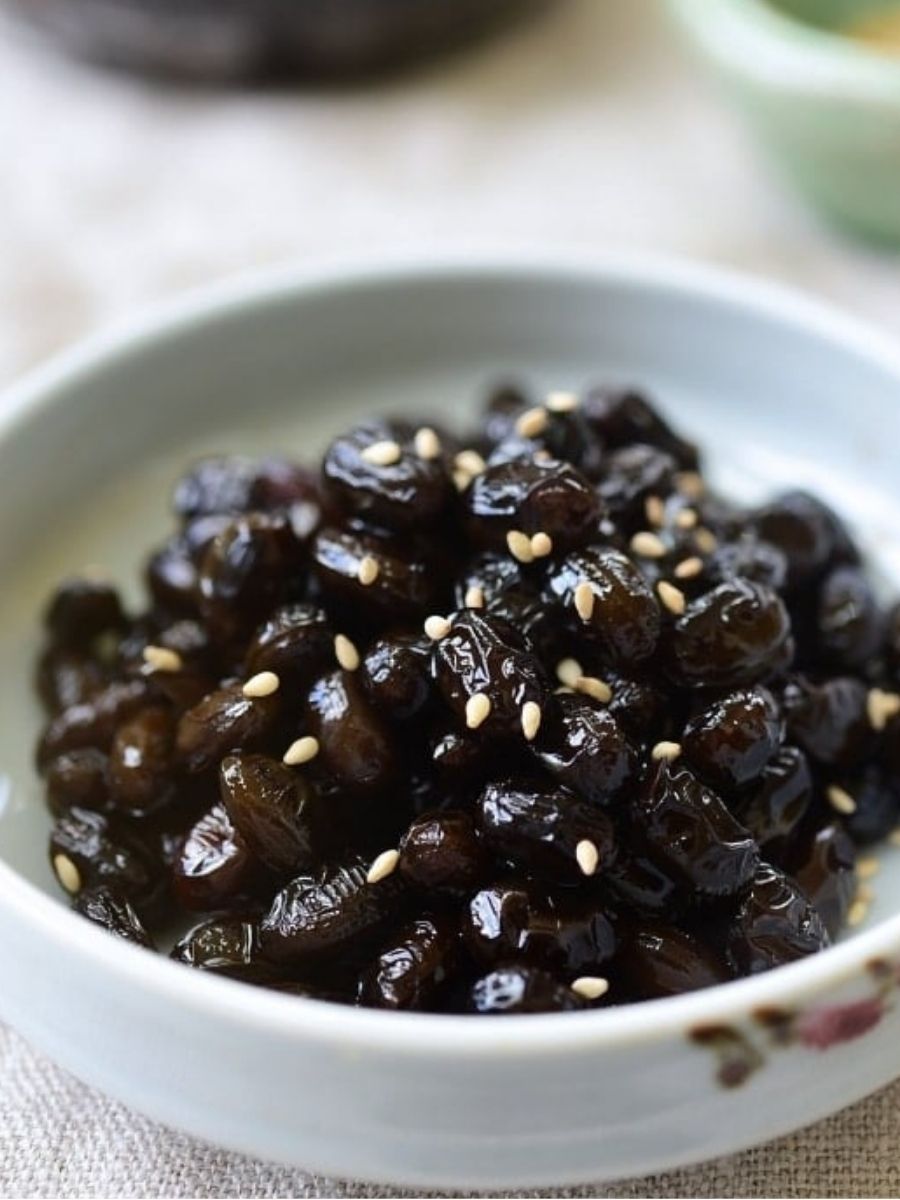

Glossy Korean Soybean Side Dish
Ingredients
Equipment
Method
- Rinse and Soak the Soybeans: Rinse the dried soybeans thoroughly a couple of times, then drain them. Place the beans in a bowl with 2 cups of water and soak for 2–3 hours, or until softened. The soaking time may vary depending on the beans.
- Bring the Soybeans to a Boil: Transfer the soaked soybeans and their soaking water to a medium-sized pot.Bring the mixture to a boil, then cook uncovered over medium-high heat for about 10 minutes. Stir a couple of times during cooking to prevent the beans from sticking to the bottom of the pot.
- Add the Seasonings: Stir in the soy sauce, cooking rice wine, and sugar. Reduce the heat to medium and continue boiling uncovered for approximately 20 minutes, stirring occasionally as the liquid reduces.
- Reduce the Sauce: Continue simmering until most of the liquid has evaporated and the sauce has thickened to approximately 2 tablespoons.Watch the pot carefully during the final few minutes, stirring as needed to prevent the soybeans from burning.
- Add the Syrup: Pour in the oligodang, rice syrup, or corn syrup. Stir thoroughly to coat the soybeans evenly, cooking for another 1–2 minutes before turning off the heat.
- Garnish and Cool: Sprinkle the optional roasted sesame seeds over the finished soybeans. The beans will be softer immediately after cooking and will develop a slightly chewier texture once chilled in the refrigerator. Serve as a Korean side dish or refrigerate for later.
Notes
-
Soybean options: Use dried black soybeans (seoritae) for the traditional appearance, or substitute yellow soybeans if preferred.
-
Soaking time: Soak the beans in 2 cups of water for 2–3 hours, or until softened. The time needed can vary depending on the beans.
-
Sauce reduction: Simmer the soybeans uncovered so the liquid can evaporate and the sauce can concentrate around the beans.
-
Prevent burning: Stir occasionally throughout cooking and pay close attention during the final few minutes, when very little sauce remains.
-
Syrup alternatives: Oligodang, rice syrup, or corn syrup can be used to finish the dish with a glossy coating.
-
Sesame garnish: Roasted sesame seeds are optional but add a pleasant nutty touch.
-
Texture changes: The beans will be softer when freshly cooked and become slightly chewier after refrigeration.
-
Storage: Store Kongjang in the refrigerator for up to 2 weeks.
Chef’s Secret
The key to flavorful Kongjang is allowing the soybeans to absorb the seasoning gradually while the sauce reduces.
After adding the soy sauce, rice wine, and sugar, keep the pot uncovered and stir occasionally so the liquid evaporates evenly.
As the sauce becomes concentrated, pay closer attention to the bottom of the pot because the beans can burn when very little liquid remains.
Avoid adding the syrup too early; the original method adds it only after the sauce has reduced to a couple of tablespoons.
Stirring in the syrup during the final 1–2 minutes helps coat the beans with a glossy finish.
For the best texture, remember that the soybeans will become slightly chewier after chilling, so judge their final consistency after refrigeration.
Serving Suggestions
Serve Kongjang in a small bowl alongside freshly steamed white rice or multigrain rice as part of a Korean-style meal.
It pairs well with kimchi, seasoned spinach, sautéed vegetables, Korean soups, and grilled fish or meat.
For a simple lunch, add a small portion to a rice bowl with vegetables and your preferred protein.
Sprinkle roasted sesame seeds over the beans just before serving for a subtle nutty flavor and an attractive finish.
Kongjang can be enjoyed warm after cooking or chilled from the refrigerator, making it a convenient side dish to prepare ahead for weekday meals.
Conclusion
Kongjang is a simple yet flavorful Korean side dish that transforms dried soybeans into tender, glossy bites coated in a balanced sweet-and-savory sauce.
With soy sauce, rice wine, sugar, and a finishing touch of syrup, this traditional recipe delivers plenty of flavor using everyday ingredients.
The straightforward cooking method makes it easy to prepare ahead, while its slightly chewier texture after chilling makes it especially convenient for serving throughout the week.
Pair Kongjang with rice and your favorite Korean dishes for a delicious addition to the table.
