
CookLibrary is a recipe curation and editorial platform. We research and curate recipes from public sources, considering ratings, reviews, comments, and feedback. We then refine and present them clearly for home cooks. We are committed to an ad-free, focused experience that makes discovering and preparing recipes easier.
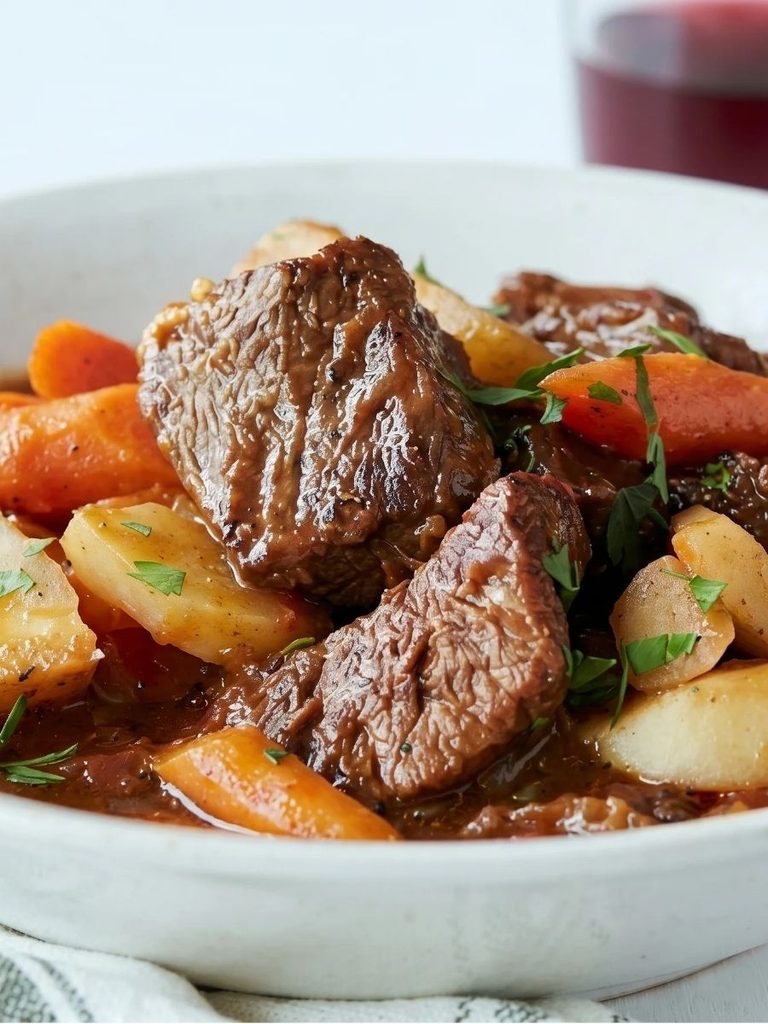
Azorean Beef Stew, traditionally known as Molha do Pico, is a hearty dish built around tender chuck beef, potatoes, garlic, onions, paprika, and a deeply savory broth.
The recipe begins by marinating bite-size pieces of beef with chopped garlic, paprika, olive oil, salt, and pepper, giving the meat time to absorb a warm, savory seasoning before cooking.
Onions and additional garlic are gently browned, then combined with tomato paste and white wine to create a flavorful base with richness, acidity, and depth.
Once the wine mixture has simmered, it joins the marinated beef, potatoes, and optional carrots in the pressure cooker.
Beef broth, bay leaf, cumin, and a cinnamon stick round out the cooking liquid, adding layers of savory, earthy, and gently warming flavor.
Under pressure, the beef becomes tender while the potatoes absorb the seasoned broth, creating a satisfying contrast between soft vegetables and succulent pieces of meat.
The white wine brings brightness to the richness of the chuck beef, while paprika, cumin, garlic, and cinnamon give the stew its distinctive character. Optional carrots add natural sweetness and extra complexity.
This is the kind of comforting meal that fills the kitchen with an inviting aroma and delivers a substantial, warming bowl of food.
It is especially appealing when served hot straight from the pressure cooker, while leftovers can develop even deeper flavor.


Traditional Azorean Beef Stew
Ingredients
Equipment
Method
- Marinate the Beef: Combine the chuck beef, 6 chopped garlic cloves, paprika, 1 tablespoon (15 ml) olive oil, salt, and pepper in a large bowl. Toss thoroughly so the seasonings coat the meat evenly, then cover and refrigerate for a couple of hours to allow the flavors to develop.
- Brown the Aromatics: Heat the remaining 1 tablespoon (15 ml) olive oil in a sauté pan over medium heat. Add the chopped onions and remaining 4 garlic cloves, then sauté until they become nicely browned. Stir frequently and keep the heat controlled to prevent the garlic or onions from burning.
- Cook the Tomato Paste: Add the tomato paste to the browned onions and garlic. Cook for about 1 minute, stirring so the paste blends into the aromatic mixture.
- Add the Wine: Pour the white wine into the pan and stir well, incorporating it with the onions, garlic, and tomato paste.
- Simmer the Wine Mixture: Allow the mixture to simmer for 5–10 minutes, giving the wine time to combine with the other ingredients and develop the stew base.
- Load the Pressure Cooker: Place the marinated beef, potatoes, and optional chopped carrots into the pressure cooker.
- Combine the Stew: Spoon the onion, garlic, tomato paste, and wine mixture over the beef and vegetables. Pour in the beef broth, then add the bay leaf, cumin, and cinnamon stick. Stir everything together to distribute the ingredients throughout the cooking liquid.
- Pressure Cook: Secure the pressure cooker according to its instructions and cook over high heat for 30 minutes.
- Rest the Stew: After cooking, let the pressure cooker sit for 5 minutes before opening it according to the manufacturer's instructions.
- Serve Hot: Remove the bay leaf and cinnamon stick if desired, then serve the Azorean beef stew while hot.
Notes
- Marinate the beef in the refrigerator for a couple of hours so the garlic, paprika, salt, pepper, and olive oil have time to flavor the meat.
- Keep the sauté pan over medium heat when cooking the onions and garlic. Stir frequently to achieve a browned finish without burning the aromatics.
- Use a dry white wine, such as Sauvignon Blanc or Portuguese Vinho Verde, to complement the rich beef and savory broth.
- Carrots are optional, but they add natural sweetness and additional complexity to the stew.
- Allow the pressure cooker to rest for 5 minutes after cooking before serving.
- Serve the stew hot so the tender beef, potatoes, vegetables, and aromatic broth can be enjoyed at their best.
Chef’s Secret
The most important flavor-building step in this stew is giving the beef enough time to marinate before pressure cooking.
Once the chuck is coated with garlic, paprika, olive oil, salt, and pepper, refrigerate it for a couple of hours rather than rushing directly to the cooker.
This allows the seasoning to work its way across the surface of every piece of meat. Equally important, take care when browning the onions and garlic: medium heat and frequent stirring help develop a rich base without letting the garlic become bitter.
The pressure cooker will take care of tenderizing the beef, but these earlier steps create the layered flavor that makes the finished Molha do Pico especially satisfying.
Serving Suggestions
Serve this Azorean beef stew hot, allowing plenty of the savory cooking liquid to accompany each portion of tender beef and potatoes.
The potatoes already make the stew substantial, while optional carrots provide additional sweetness and texture.
For a simple presentation, spoon the stew into warm bowls and let the aromatic broth surround the meat and vegetables.
A piece of crusty bread can also be served alongside to complement the rich broth.
The stew is hearty enough to stand on its own as a complete main course, making it especially suitable for a comforting family meal.
Conclusion
Azorean Beef Stew brings together humble ingredients in a deeply satisfying traditional-style dish.
Tender chuck beef, potatoes, garlic, onions, white wine, tomato paste, and warming spices create a rich and aromatic stew with plenty of comforting flavor.
The pressure cooker makes the final cooking stage straightforward while helping the beef become tender and the potatoes absorb the savory broth.
With its hearty texture and distinctive combination of paprika, cumin, cinnamon, and wine, Molha do Pico is a memorable meal that is best enjoyed hot and shared around the table.
