
CookLibrary is a recipe curation and editorial platform. We research and curate recipes from public sources, considering ratings, reviews, comments, and feedback. We then refine and present them clearly for home cooks. We are committed to an ad-free, focused experience that makes discovering and preparing recipes easier.
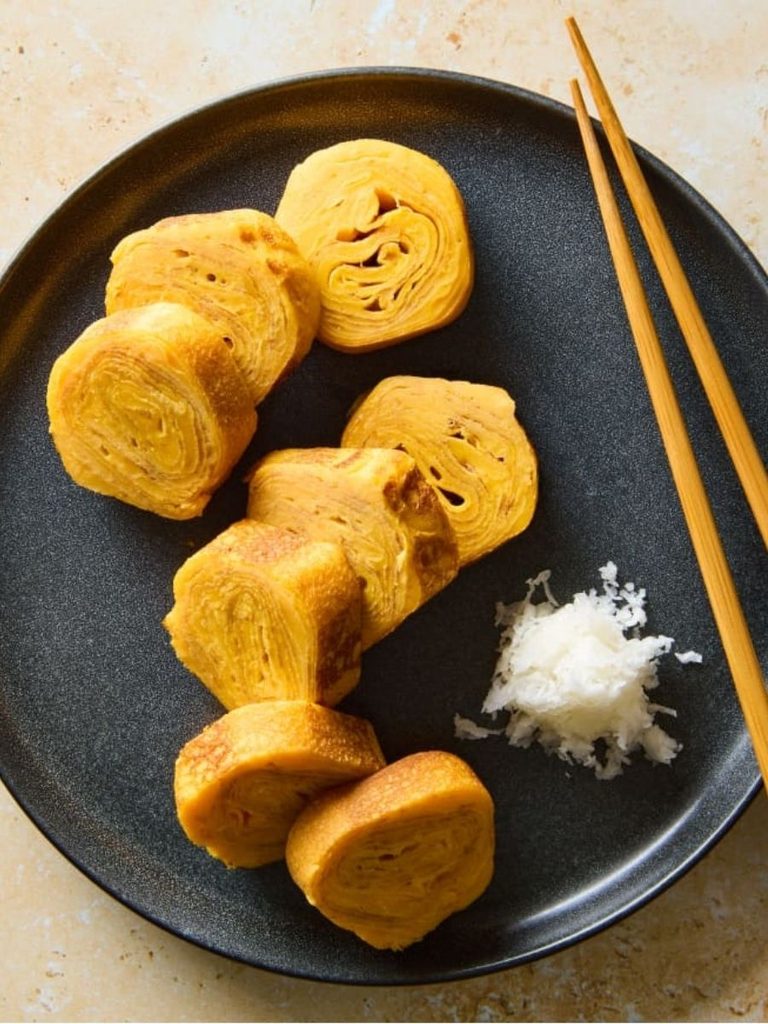
Tamagoyaki is a classic Japanese rolled omelet made by cooking seasoned eggs in thin layers, then rolling each layer into a compact, tender cylinder.
Unlike a standard omelet, this preparation creates a distinctive layered texture that is soft, delicate, and lightly springy throughout.
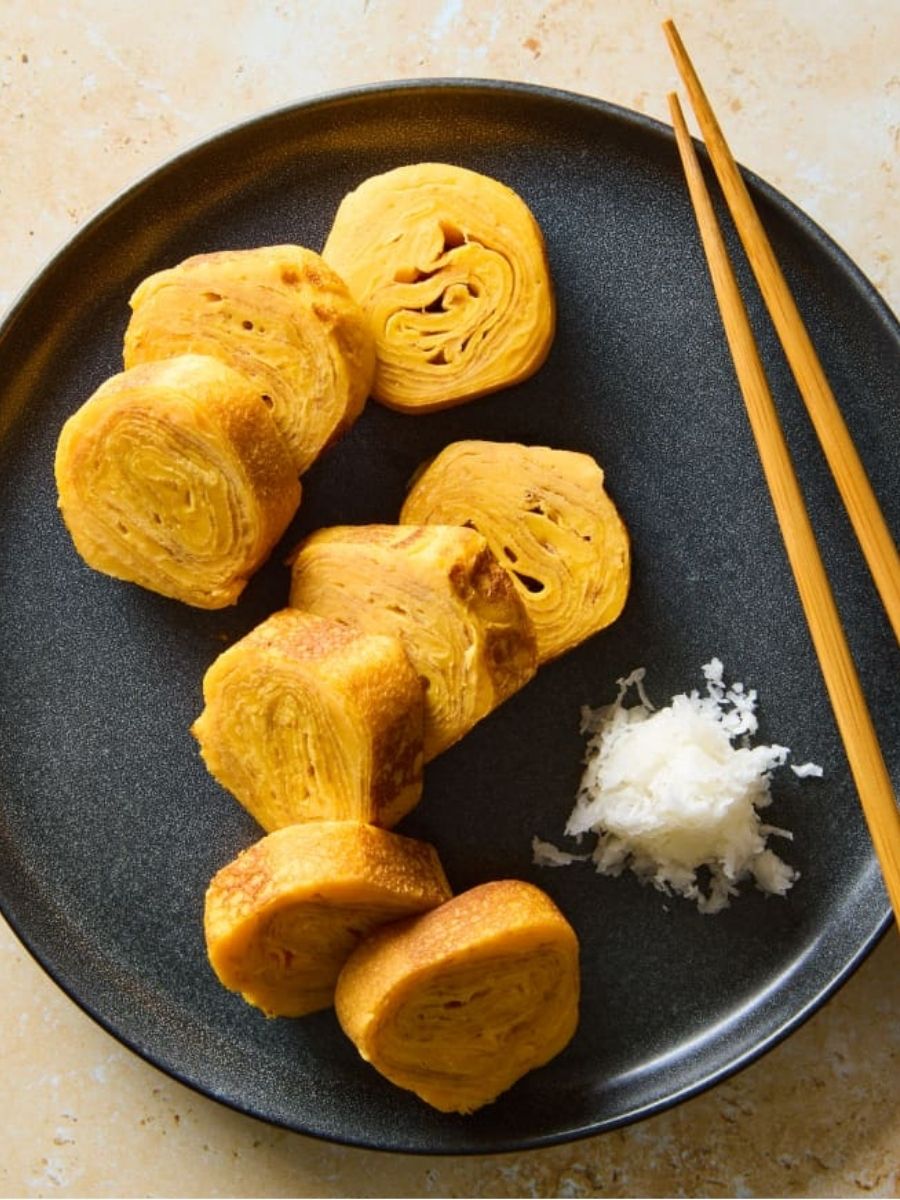
Each slice reveals the neatly rolled layers, making tamagoyaki as appealing to look at as it is to eat.
The flavor comes from a carefully balanced combination of mirin, granulated sugar, kosher salt, hondashi, and toasted sesame oil.
Mirin and sugar add a subtle sweetness, while kosher salt and powdered bonito stock bring savory depth.
A small amount of toasted sesame oil contributes a gentle nutty aroma without overwhelming the egg.
Because the mixture is strained before cooking, the finished omelet has a particularly smooth appearance and delicate texture.
The cooking process is simple but benefits from patience and attention.
The egg mixture is added in several thin batches, allowing each layer to partially set before it is rolled toward the cook.
The rolled portion is then moved aside so fresh egg can flow underneath, gradually building the omelet into its characteristic shape.
A tamagoyaki pan makes the rolling process especially convenient, though a medium nonstick pan can also be used.
After cooking, the omelet rests briefly before being sliced into neat pieces. Served warm or cooled, tamagoyaki makes an appealing breakfast, lunch component, bento addition, or light snack.
Its tender layers, gently sweet-savory flavor, and elegant presentation make this Japanese favorite a rewarding homemade dish.

Sweet Savory Tamagoyaki
Ingredients
Equipment
Method
- Prepare the Egg Mixture: Place the eggs, mirin, sugar, kosher salt, hondashi, and toasted sesame oil in a medium bowl. Whisk with chopsticks or a fork until the egg whites are fully incorporated and no streaks remain.
- Strain the Eggs: Pour the egg mixture through a fine-mesh strainer into another bowl, swirling the strainer occasionally. Continue for a few minutes if needed, then discard anything left in the strainer.
- Heat the Pan: Heat a tamagoyaki pan or medium nonstick pan over medium-low heat. Coat the surface lightly with cooking spray or 1 teaspoon neutral oil.
- Cook the First Layer: Pour about 3 tablespoons of egg mixture into the pan. Quickly tilt the pan in different directions so the eggs spread into a thin layer covering the surface.
- Partially Set the Egg: Cook for 3 to 4 minutes, until the egg is about 80% set but remains soft enough to roll.
- Roll the Omelet: Starting at the short end farthest from you, use chopsticks or two flexible spatulas to roll the egg toward you, folding it onto itself.Slide the rolled omelet toward the top of the pan. If using a round pan, roll from one side to the other.
- Add Another Layer: Pour another thin layer of egg mixture into the pan. Lift the rolled omelet slightly so the fresh egg can flow underneath it.
- Repeat the Layers: Continue adding, cooking, and rolling the egg until all the mixture has been used, working through approximately 5 to 6 batches.
- Cool the Omelet: Transfer the finished tamagoyaki to a cutting board with the seam-side down. Let it cool for 5 minutes.
- Slice and Serve: Cut the cooled omelet crosswise into pieces approximately 1/2-inch to 1-inch wide.
Notes
- Refrigerate leftover tamagoyaki in an airtight container for up to 3 days.
- For longer storage, freeze the cooked omelet for up to 2 weeks.
- Thaw frozen tamagoyaki overnight in the refrigerator before reheating.
- Microwave refrigerated or thawed tamagoyaki until warmed through.
- Straining the seasoned eggs helps create a smoother, more delicate omelet.
- Keep each egg layer thin so it cooks evenly and rolls neatly.
- The recipe makes approximately 5 to 6 thin egg layers as the mixture is added and rolled.
Chef’s Secret
The most useful technique for getting neat tamagoyaki layers is to lift the rolled portion slightly when adding each new layer of egg.
This allows the fresh mixture to flow underneath the existing roll instead of simply sitting beside it.
Keep the egg layer thin and work while it is about 80% set, since an overly firm layer can become difficult to roll and may separate from the next layer.
Rolling the egg while it is still pliable helps the layers adhere naturally as the omelet builds.
Using a tamagoyaki pan makes this easier because its rectangular shape supports consistent rolling, but a medium nonstick pan can also produce a successful result when you roll carefully from one side to the other.
Serving Suggestions
Slice the tamagoyaki crosswise into neat pieces and serve it warm or after it has cooled slightly.
The individual slices work well as part of a Japanese-style breakfast or lunch, and their compact shape also makes them suitable for adding to a bento.
For a simple presentation, arrange the slices on a serving plate so the layered center is visible.
The omelet can also be served as a light snack on its own, allowing its gently sweet, savory, sesame-scented flavor to stand out.
Conclusion
Tamagoyaki transforms a simple seasoned egg mixture into a tender omelet with beautifully defined layers.
Mirin, sugar, hondashi, salt, and toasted sesame oil give each bite a balanced sweet-savory character.
Straining the eggs and cooking them in thin batches helps create its smooth texture and classic rolled shape.
With a little care during the rolling process, this Japanese favorite is straightforward to prepare at home.
Serve the finished slices warm or cooled for a versatile breakfast, lunch, bento component, or light snack.
